
Your team is describing you to AI every day. But nobody agreed on how your brand should communicate.
Ask around the business, and you will find it. Sales teams briefing ChatGPT to draft a pitch, using their own version of what the company does. Marketing writing posts from positioning docs that have never been updated. Customer service running prompts without guidelines. Every output is reasonable, but none of them match.
This is not a discipline problem, and telling people to be more careful won’t fix it. They need guidance; AI needs guidance.
SignalIndex™ is the system that gives every person and every tool in your business one version of you to work from. Written plainly enough to be used without interpretation.


If four people describe the business to AI
You get four different outputs from AI.
Where strategy becomes usable.
Brand strategy defines how you want to be understood by your customers. SignalIndex™ provides AI guardrails that ensure everyone understands you consistently.
It gives you a consistent starting point for every AI interaction, letting tools know exactly how you talk, how you don’t talk, what you stand for, and what topics you do/do not want to cover.
SignalIndex™ takes the language we gave to your people and makes it easily understood by AI tools. Statements a person can copy, boundaries a reviewer can check against, instructions a machine can follow.
Your brand comms are written with rhythm and warmth; to be understood by a human. SignalIndex™ is the opposite – it’s written to be parsed by a machine and be unambiguous.
Four layers, built on top of your strategy.

Clarity
We translate the strategy into clear, factual statements. What the business is, and what it is deliberately not, written to remove ambiguity instead of to sound good. This is the layer everything else is checked against.

Guardrails
The non-negotiables in tone and messaging. What to include, what to avoid and where the boundaries sit, so nobody downstream has to interpret anything. Interpretation is where drift starts.

Application
Standard responses and explanations for the questions your business answers every week. The same explanation of what you do, the same answer on price, the same handling of the objection that comes up in every second call, whichever team is speaking.

AI usage
How your teams should use AI tools on brand work. Example prompts written against your own positioning, guidance on what to check before anything goes out and the specific ways inconsistency creeps in so your people can spot it happening.
Content your team will use again and again.
Usable statements and summary documents written to be uploaded straight into whichever AI tool your teams use, so the model starts from your version of the business instead of assembling one.
Communication guardrails, covering tone, claims and the language the brand doesn’t use.
AI usage and prompt guidelines, with worked examples for the jobs your teams do most.
An internal messaging framework, so the answer to a common question is the same in a pitch, a proposal and a support email.
These arrive as further sections of your Brand Book, so the whole strategy stays in one document that people can reference.
Consistency inside is what makes you legible outside.
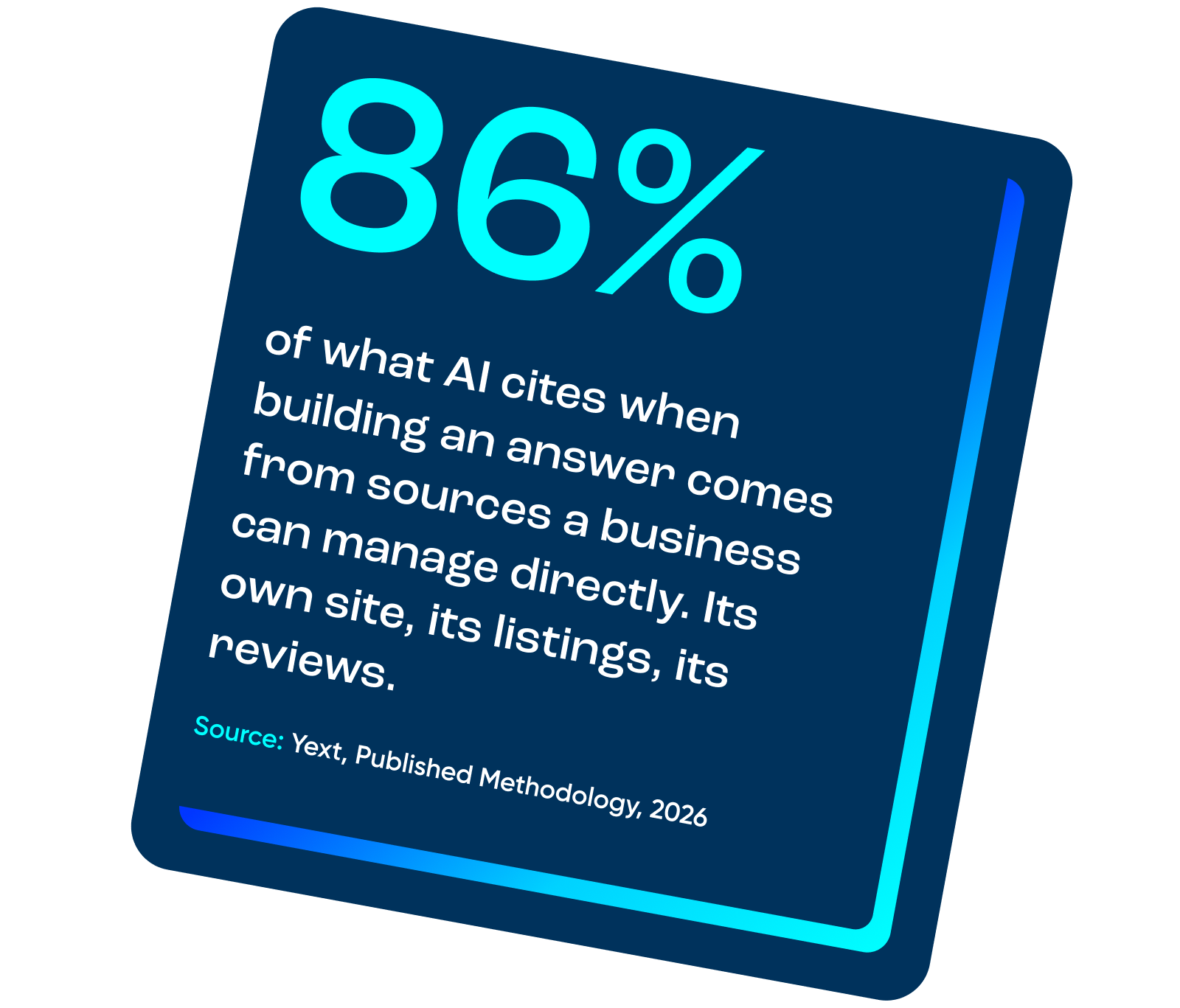
The commercial payoff shows up somewhere you didn’t put the work in. When a buyer describes their problem to an AI tool, what comes back is assembled from everything findable about you. Where your surfaces agree, there is one confident account to draw on. Where they contradict each other, nothing tells the model which version is accurate and what comes out is the blur of all of them.
Frequently asked questions.
Is this just brand guidelines with a new name?
No. Guidelines describe how the brand should look and sound and then rely on somebody remembering. This is written to be used directly: statements to paste, prompts to run, answers to reuse. The test is whether a new starter or an AI tool can produce something on-brand without asking anyone.
No. Guidelines describe how the brand should look and sound and then rely on somebody remembering. This is written to be used directly: statements to paste, prompts to run, answers to reuse. The test is whether a new starter or an AI tool can produce something on-brand without asking anyone.
Can you guarantee we’ll appear in AI results?
No, and be careful with anyone who does. What we can do is remove the reasons a model has for leaving you out, which is a different promise and a more honest one. Clear positioning, consistent signals and verifiable evidence raise the odds. Nobody controls the output.
No, and be careful with anyone who does. What we can do is remove the reasons a model has for leaving you out, which is a different promise and a more honest one. Clear positioning, consistent signals and verifiable evidence raise the odds. Nobody controls the output.
Can we track where we rank in AI results?
No. SparkToro’s January 2026 research found ordering to be near-random across nearly three thousand runs, so a stated rank measures nothing. Where a business wants a measure, we report how often it appears across many runs and many phrasings, from a cold session with no account or history.
No. SparkToro’s January 2026 research found ordering to be near-random across nearly three thousand runs, so a stated rank measures nothing. Where a business wants a measure, we report how often it appears across many runs and many phrasings, from a cold session with no account or history.
Is this the same as GEO?
No. Generative Engine Optimisation is tactical work on a website so AI can find it. SignalIndex™ sits earlier and gives GEO something worth surfacing. Catalyst Marketing handles implementation once a site exists, and Catalyst PR earns the coverage on other people’s sites.
No. Generative Engine Optimisation is tactical work on a website so AI can find it. SignalIndex™ sits earlier and gives GEO something worth surfacing. Catalyst Marketing handles implementation once a site exists, and Catalyst PR earns the coverage on other people’s sites.
Do our teams have to stop using AI?
The opposite. This assumes they will use it, more each year, and gives them the material to use it well. Restricting the tools moves the inconsistency somewhere you cannot see it.
The opposite. This assumes they will use it, more each year, and gives them the material to use it well. Restricting the tools moves the inconsistency somewhere you cannot see it.
Where the SignalIndex™ came from.
We’ve taken many clients through our rebrand process. Then we watched AI tear brands apart.
Within a year, businesses no longer sound like themselves, thanks to AI. We give you the guardrails needed to ensure the responses you get from AI, and the functions you use it for, remain consistent and resonant with your target audiences.

Build your brand for visibility.

Brand Strategy
What the business stands for, who it serves and what makes it worth choosing. Built with your leadership team through a structured process that surfaces the disagreements and trade-offs a strategy has to be built on. Everything after it leans on this.
Brand Strategy
Communication
The system that turns the strategy into language your team, your marketing and every AI tool you use can work from. Written so nobody has to guess at the version you’d have given.
Communication
Visual Identity
A visual language built outwards from the strategy which is why it comes last. Logo system, colour, typography, imagery and the guidelines that hold it together at any scale.
Visual identity
Brand Activation
The group takes it to market. Catalyst Marketing runs the channels, Catalyst PR earns the coverage, and both work from what we built instead of starting over.
Brand Activation